
Groundwater and the Arsenal
Silent SpringThis flow follows industrial and pesticide wastes through groundwater to farms near the Rocky Mountain Arsenal.
increasing Bearing strength in each event
 decreasing
Bearing strength in each eventdecreasingWaste Ponds Accumulate Chemicals
A Changing Facility
Military Production
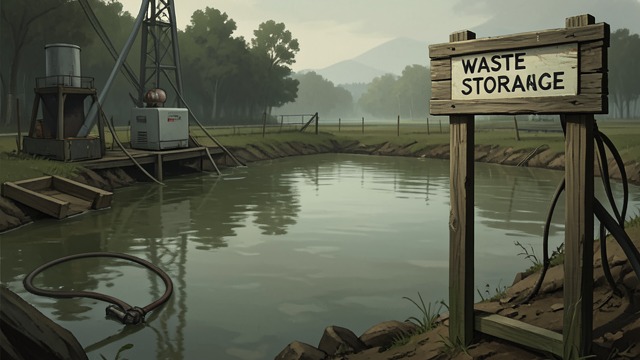
Rocky Mountain Arsenal began producing wartime materials near Denver in 1943. The site later leased facilities to a private company for insecticide production.
A Potential Source
Chemicals were discharged into holding ponds during the facility’s operation. Their presence created a possible route by which industrial waste could move beyond the site.
Farmers Report Damage
Illness and Crop Loss
Unexplained Changes
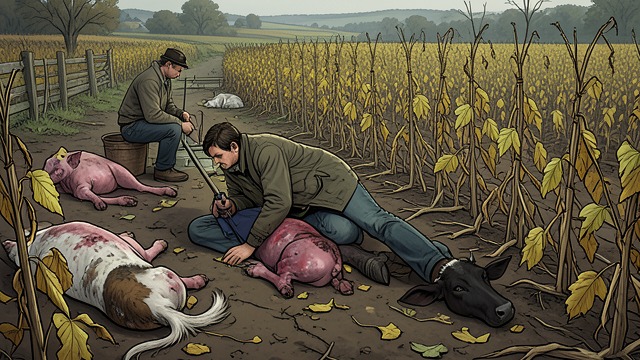
Farmers several miles away reported livestock sickness, damaged crops, yellowing foliage, and plants that failed to mature. Some also suspected human illness was connected to the local conditions.
The Water Connection
Their irrigation came from shallow wells. The reports prompted investigation of water that had once been presumed usable and separate from the industrial site.
Wells Contain a Mixture
Contamination Reaches Farms
Multiple Substances
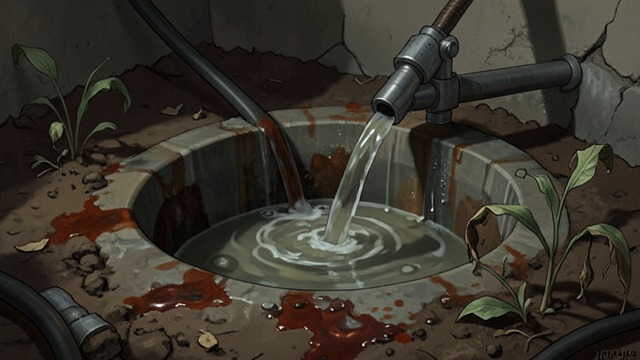
Investigators found chlorides, chlorates, phosphates, fluorides, and arsenic in well water. The range of chemicals pointed to waste movement rather than a single isolated spill.
A Slow Underground Route
Groundwater had carried contamination about three miles over several years. The delay between discharge and discovery made the source difficult to connect to the visible damage.
A Chemical Appears Without Manufacture
The 2,4-D Mystery
Unexpected Detection
Investigators found 2,4-D in wells and holding ponds, although the chemical had not been manufactured at the arsenal. Its presence helped explain harm to crops irrigated with contaminated water.
A Laboratory in the Open
Researchers concluded that other discharged substances had formed 2,4-D spontaneously under the influence of air, water, and sunlight. Carson uses the finding to question assumptions that substances labeled harmless remain harmless after mixing.
Pollution Has No Simple Boundary
A Shared Water System
Surface and Underground Flow
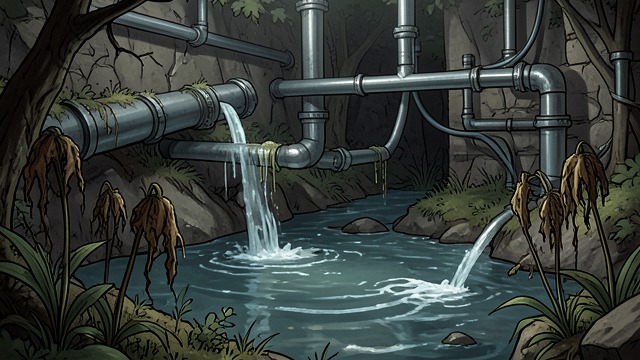
Groundwater contributes to springs, wells, and rivers, linking hidden reserves to visible waterways. Contaminating one part of the system can therefore affect water elsewhere.
An Unanswered Scale
Carson asks what other harmful compounds might form when chemicals mix in public waters. The incident broadens a local farm story into a warning about environmental chemistry beyond human control.
From 1943 into the early 1950s
Several years after operations began
During the 1959 investigation
During the same investigation
At the conclusion of Chapter 4
